You've surveyed the job, run the numbers, and you're ready to send the quote. But before you hit send, ask yourself: if a dispute arose six months from now, would this document protect you? A professional quote isn't just a price — it's a small contract. Here's exactly what it should contain.
Business and Client Details
This sounds obvious, but you'd be surprised how many quotes are sent without full details on both sides. Your quote should include: your business name, registered address, and contact details; the client's full name (or company name), address of the works, and a contact email or phone number. Include your quote reference number and the date issued — this becomes critical if you need to refer back to it later.
If you're VAT-registered, your VAT number must appear on the quote. Leaving it off isn't just unprofessional — it can cause complications when you invoice.
A Clear Scope of Works
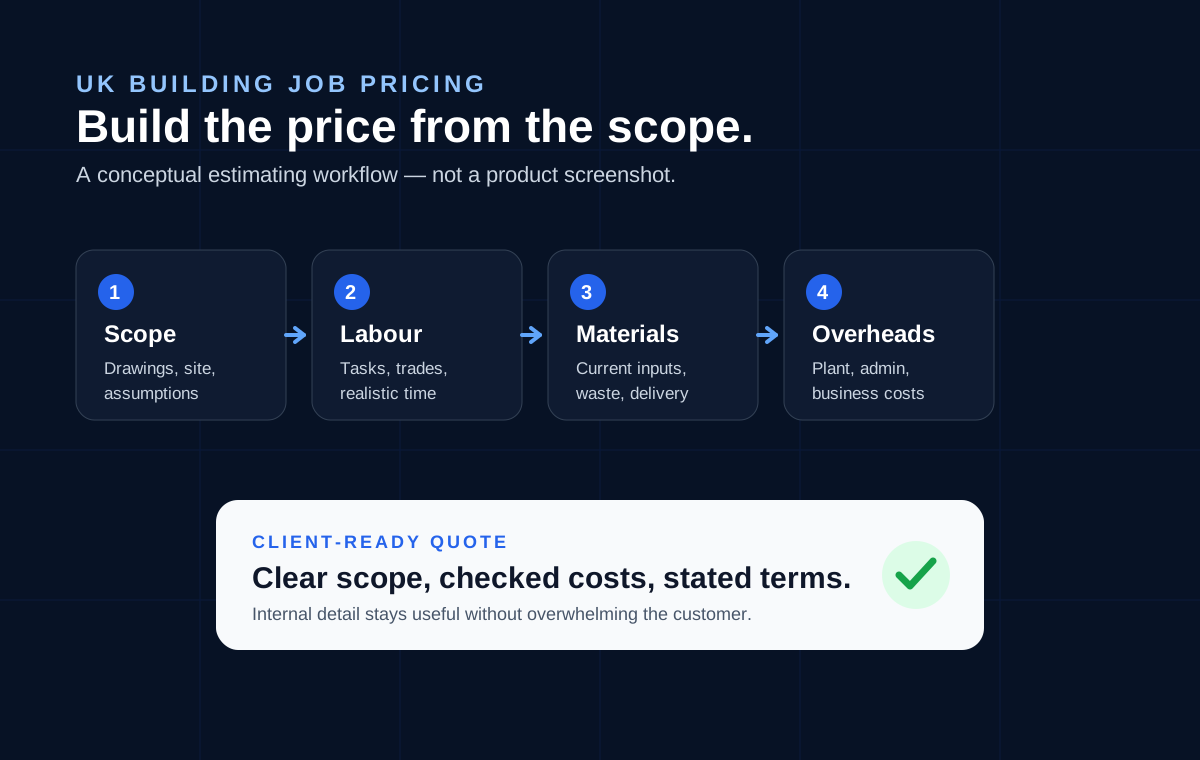
The scope of works is the most legally important part of the quote. Write it clearly, in plain English, describing exactly what you will and won't do. "Supply and fit a new kitchen" is not enough. "Supply and install 12 base units, 6 wall units, integrated dishwasher space, under-cabinet lighting, and 20mm quartz worktop — tiling, electrical, and plumbing not included" is a scope.
Be explicit about exclusions. If the quote doesn't include plastering, skip hire, or structural work, say so in writing. This prevents clients from expecting more than they've paid for and protects you from being held responsible for work you never agreed to do.
Itemised Pricing
Line-item pricing builds trust. A single lump-sum figure with no breakdown makes clients nervous — they have no way of evaluating whether the price is fair. Break your quote into categories: materials, labour, plant/equipment, and any subcontracted elements. Show subtotals, VAT separately, and the final total clearly.
If you're offering options (e.g., two different tile specifications), show them as separate line items so the client can compare without confusion.
Terms, Validity, and Payment Schedule
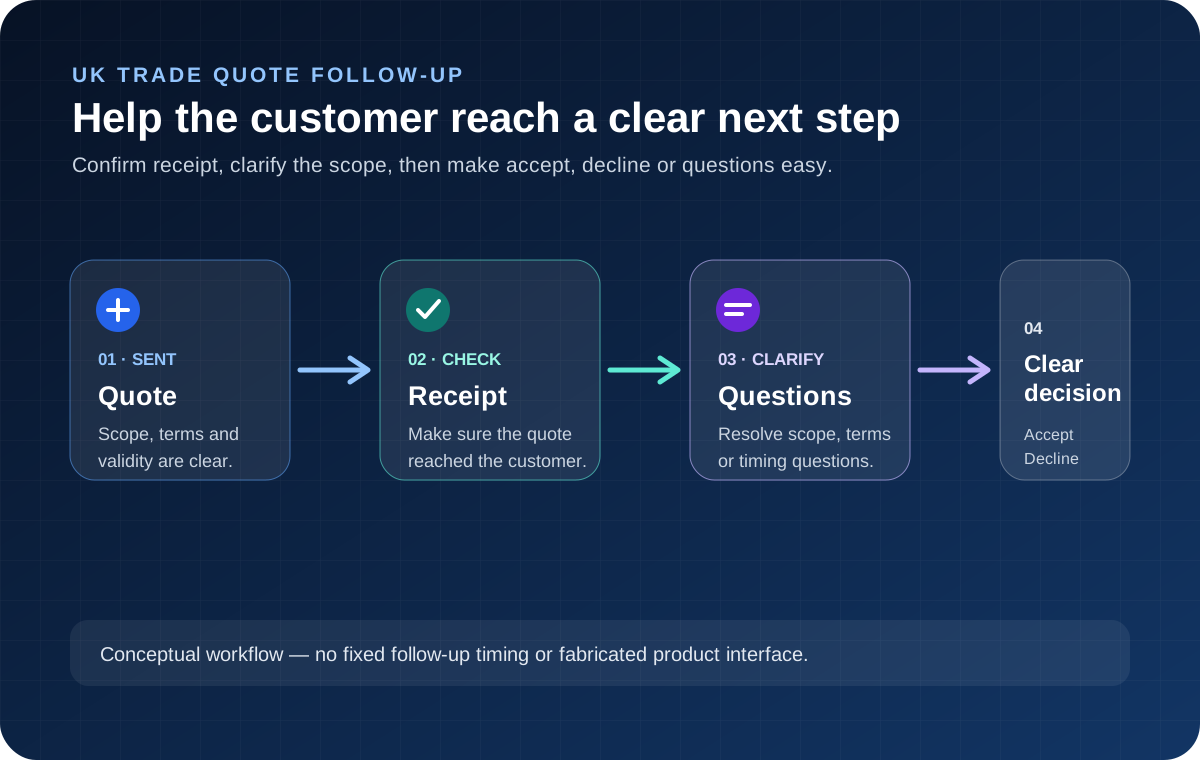
Every quote should state: how long it's valid for (typically 30 days), your payment terms (e.g., 30% deposit on acceptance, balance on completion), and your late payment policy. You should also reference your standard terms and conditions — even a short set covering liability, variations, and dispute resolution.
A quote without payment terms is an invitation for ambiguity. Clients who know exactly when and how much they'll be paying are far less likely to push back at invoice stage.
A well-structured quote signals that you run a professional operation. Clients make a judgement call about you before work has even started — your quote is often the first impression. Getting this document right doesn't just protect you legally; it wins jobs.