For a UK builder, an estimate is no longer just a price typed into a template. It is the point where labour, materials, overhead, risk and profit have to become one clear client decision. That is why more firms looking for construction estimating software in the UK are really looking for something more practical: a reliable way to quote work without losing control of margin.
The market makes that discipline important. In its 14 May 2026 construction output release, the Office for National Statistics reported that repair and maintenance output grew by 3.4% in Quarter 1 2026, with private housing repair and maintenance up 4.1%. It also reported annual construction output price growth of 0.8% in the 12 months to March 2026.
That combination matters: opportunities in renovation and repair can be moving, but an apparently modest price change still affects a fixed-price job if your quote leaves out labour hours, small materials, plant, revisions or commercial margin.

Why UK Builders Are Searching for Estimating Software in 2026
A small builder or trade business can be busy and still be underpriced. More enquiries mean more estimates, more supplier checks, more quote revisions and more opportunities for an old spreadsheet row or rushed day-rate calculation to take money out of the job.
Materials remain part of that pressure. The Department for Business and Trade's February 2026 building materials commentary reported that the material price index for all work increased 2.0% in January 2026 compared with January 2025. For new housing materials, the annual increase was 4.0%.
A spreadsheet can hold figures. Construction estimating software should turn those figures into a repeatable quoting workflow: one that is quick enough for active enquiries and structured enough to protect profit when prices or scope change.
What Construction Estimating Software Should Include
When comparing builder estimating software in the UK, start with the job rather than the product brochure. A useful system should let you build an estimate from clear sections, with materials, labour, consumables, plant, allowances and notes held against the correct job and client.
It should also help answer five commercial questions before a quote is sent:
1. Have all direct costs been included? Missing waste, fixings, disposal, hire or subcontractor costs are small until they appear on every job.
2. Is labour based on real hours and rates? A quote needs to recover the time on site and the cost of delivering it, not just a hopeful number of days.
3. Is margin visible before the client sees the total? Profit is easier to protect when it is built into the estimate intentionally rather than checked after acceptance.
4. Can the client see a professional, understandable quote? Detailed internal costing does not mean sending a confusing worksheet. The client needs scope, pricing, terms and a simple next step.
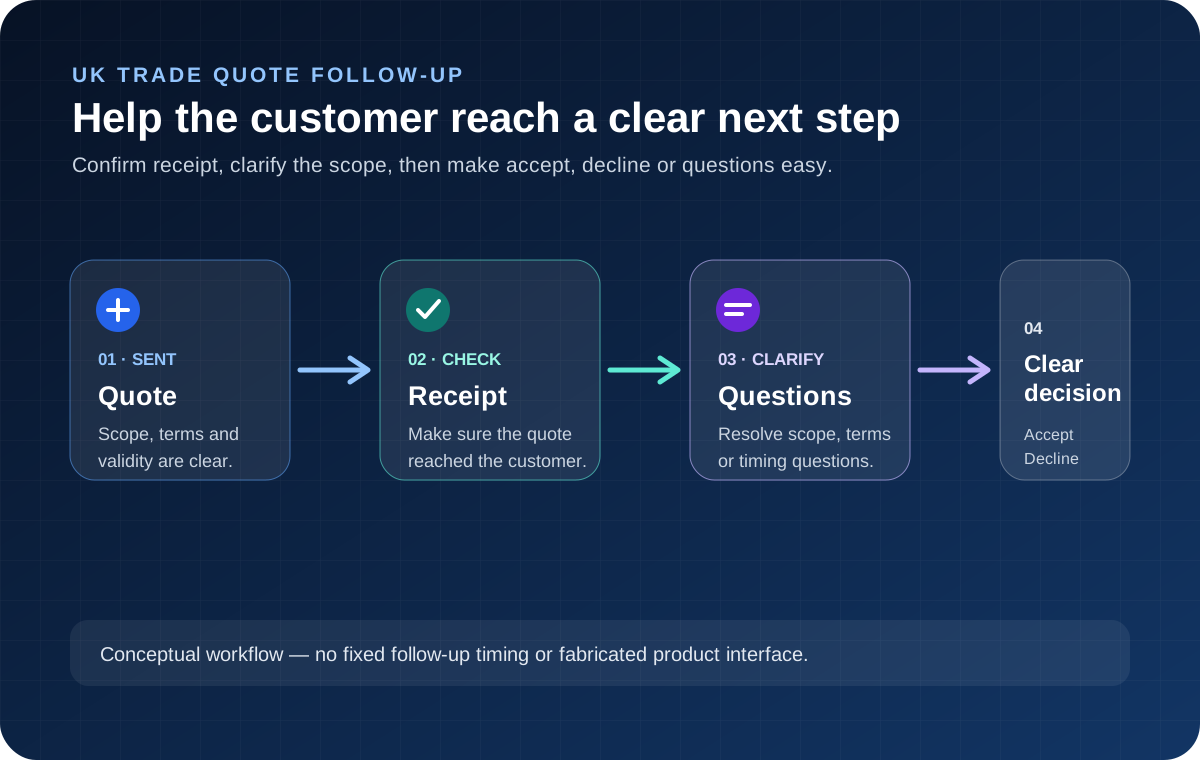
5. Can the team track what happened next? A sent quote needs a status, revision trail and acceptance path so that follow-up is based on facts rather than inbox memory.
These are also the reasons builders search for related terms such as construction quote software, quoting software for UK builders and job costing software for tradespeople: the real need is to connect costing, presentation and follow-up.
A Better Process for Pricing Building Work
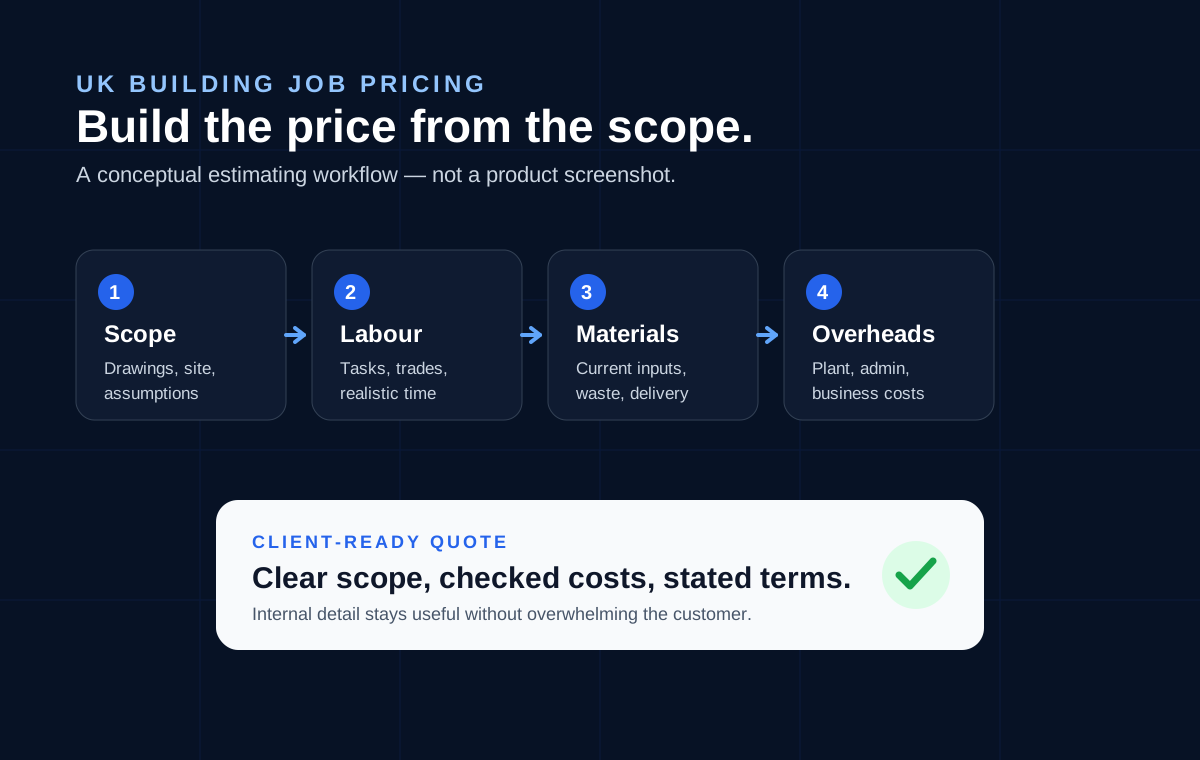
A sensible 2026 estimating workflow starts by capturing the job and scope clearly. Record the client, site details, inclusions and exclusions before pricing. A vague scope makes even a perfect calculation vulnerable to changes and disputes later.
Next, break the work into measured sections and line items. Put materials, labour, subcontractors, plant and allowances in the estimate separately so that a change can be adjusted without guessing which total it affected. Check current supplier costs on significant items rather than relying on a previous job's pricing.
Then calculate labour from planned hours and your real labour cost, include overhead recovery, and add the margin required by the business. Our guide on how to price a job accurately covers this costing method in more detail.
Finally, issue a client-ready quote with an expiry date, payment terms, clear exclusions and a way to accept. If a quote is revised, keep the new version attached to the same job so your team can see which scope and price the client approved.
How CostForge Supports Accurate Builder Quotes
CostForge is quoting and job costing software built for trade and construction businesses. It keeps clients, jobs and quotes organised in one system, then lets you build structured quotes with sections and line items for materials, labour, consumables and allowances.
For the estimator, the important part is control: staff hours and costing detail can be used internally while the client receives a clear branded quote output. Margin can be considered before the quote is issued, and dashboard views help bring draft, sent and accepted quote activity into focus.
For the client, the journey is simpler too. CostForge supports sending quotes for review and a digital acceptance flow, making it clearer when a priced opportunity is ready to become scheduled work. You can explore the workflow in the CostForge features overview or read the recent quote signing and dashboard update.
Choosing Quoting Software for a UK Building Business
Do not choose an estimating tool solely because it creates a PDF or promises a faster calculation. Test it against a job you have already completed. Add the actual scope, labour, materials and overheads, then compare the software's estimate with the true outcome of the job.
Look for a system your team will use on every quote: structured job records, editable line items, controlled client presentation, margin visibility and straightforward quote tracking. If it makes the work easier to price and easier to follow up, the software is doing useful commercial work rather than becoming another admin task.
UK building businesses cannot control every change in demand or input cost. They can control whether each quote is based on current costs, a defensible scope and an intentional margin. That is the practical value of construction estimating software: clearer prices before work begins, and fewer unwelcome surprises once it is under way.