A client receives three quotes for a bathroom renovation. Two arrive as body text in an email. One arrives as a clean, branded PDF with a clear scope, itemised pricing, payment terms, and a professional footer. Even if the three prices are identical, which trade business is getting the job? Presentation is a competitive advantage — and it's surprisingly easy to get right.
The Header: First Impressions Count
Your PDF quote should open with your logo, business name, and contact details clearly laid out. The client's name and the job address should appear prominently. A quote reference number and issue date round off the header.
This isn't just cosmetic. A properly headed quote is immediately recognisable as a formal business document, not a message from a mate. Commercial clients in particular — facilities managers, project managers, property developers — expect this as standard. Without it, they move on.
Scope of Works: Be Specific
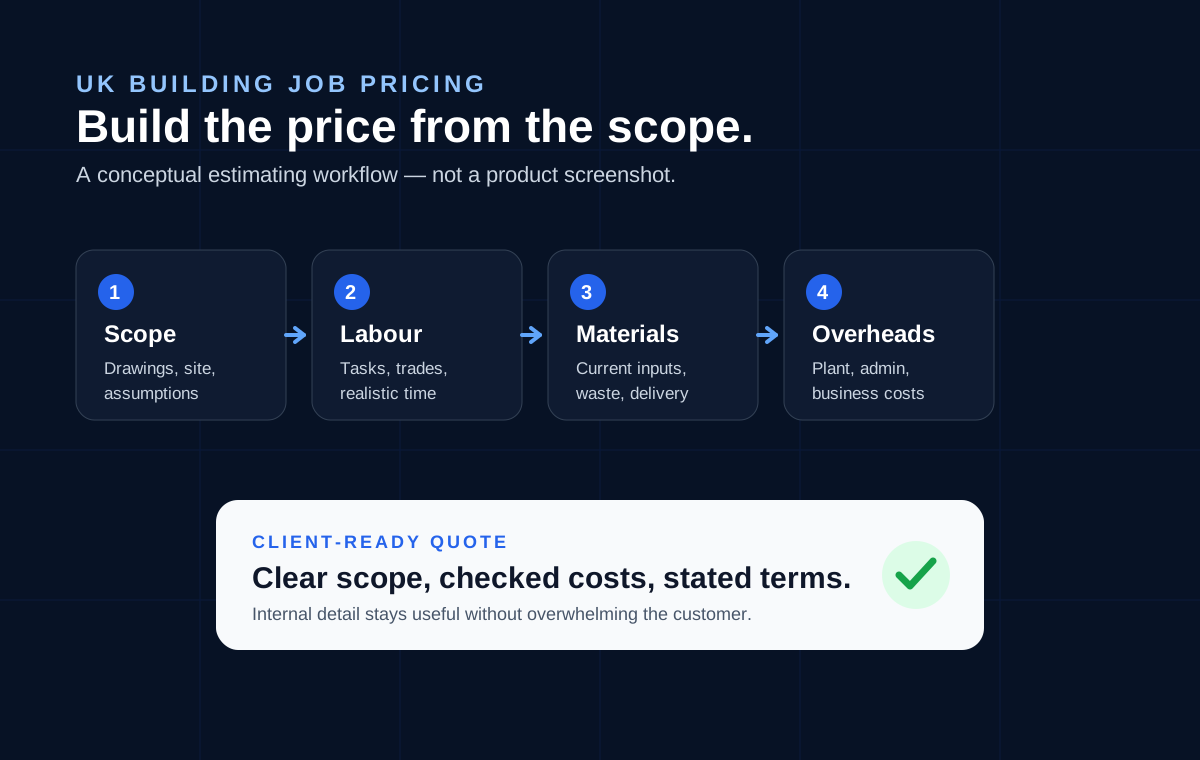
The body of the quote should describe the works in clear, specific language. Avoid vague phrases like "all works as discussed" — these are unenforceable and invite disputes. Instead, list each element of the job explicitly.
Group related items together: groundworks, first fix, second fix, finishing. Use short, confident sentences. "Supply and install 22mm copper pipework from stopcock to new utility room. All connections pressure-tested and certified." Specific language signals competence and builds confidence before you've done a single day's work.
Pricing Layout: Show Your Working
Itemised pricing takes more effort but wins more jobs. When a client can see that £800 is for materials and £1,200 for labour, they understand the value rather than just seeing a number that feels arbitrary. Include a subtotal before VAT, a VAT line, and a clear total in a box at the bottom.
If there are options (e.g., standard vs. premium finish), show them as separate sections with separate totals. This makes it easy for the client to make a decision without asking follow-up questions — and reduces the back-and-forth that delays acceptance.
Terms, Expiry, and Next Steps
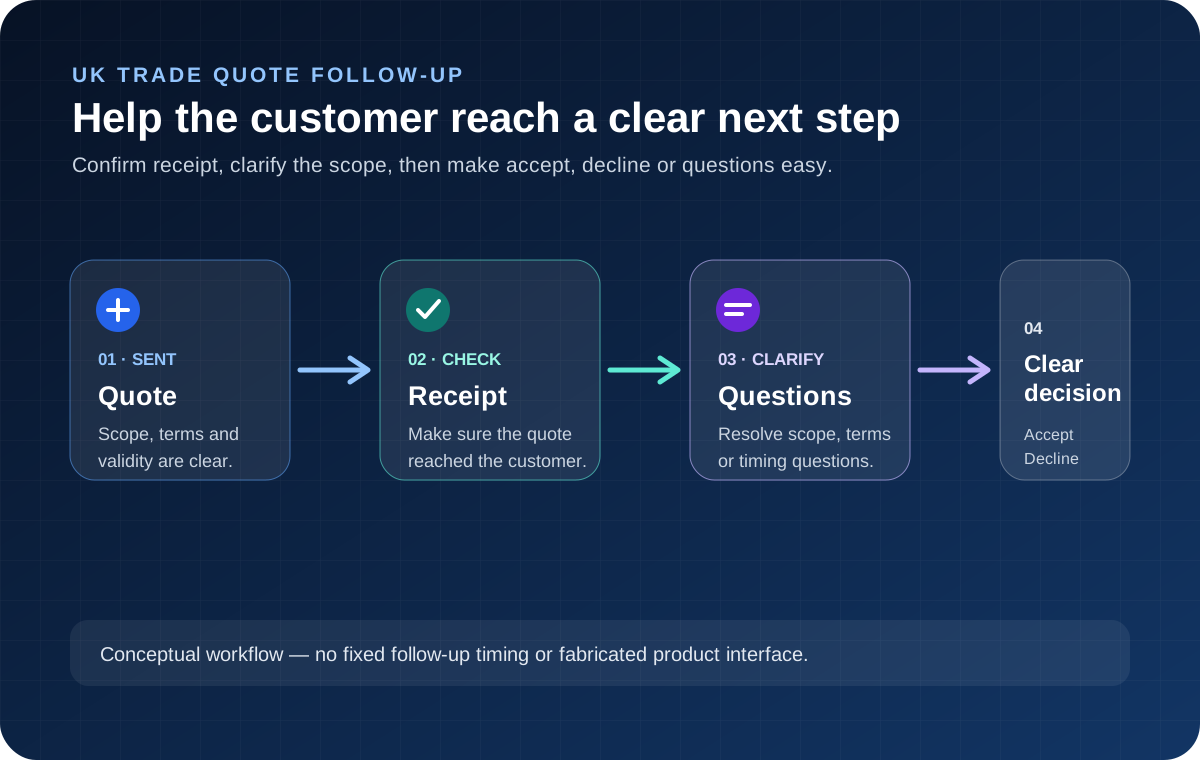
The final section of your PDF should cover: validity period (30 days is standard), payment terms (deposit percentage, balance timing), and a brief note on what happens next — "To accept this quote, please reply to this email or call [number]." Make the action clear.
Include a short reference to your terms and conditions, even if the full T&Cs are a separate document. And if you have any relevant certifications (Gas Safe, NICEIC, CHAS), include them in the footer alongside your company registration or VAT number.
The professional PDF quote is not just a price — it's a promise about the quality of your work before a single tool has been picked up. Trade businesses that invest in their paperwork win more work, at better margins, from better clients.