People often use quote and estimate as if they mean the same thing. In a trade or construction business, the distinction matters because the customer is trying to understand how certain the price is, what work is included, and what happens if the scope changes.
An estimate is usually an early view of likely cost. A quote is normally a clearer commercial offer for a defined scope, with a price and terms the customer can decide whether to accept. The exact legal effect depends on the wording, the agreed terms, the facts of the work, and applicable law, so this article is practical guidance rather than legal advice.

What is an estimate?
An estimate is useful when the work is still being defined. You may not have final drawings, confirmed material selections, access information, or enough detail to price every line item. An estimate helps a client decide whether a project is broadly affordable before the business spends more time preparing a full quote.
Label it clearly as an estimate and explain the assumptions behind it. State what information is missing, which costs are allowances, whether VAT is included, and what would need to happen before you can issue a firm quote.
What is a quote?
A quote is more useful when the scope can be described in enough detail for the customer to make a decision. It should identify the client and site, describe the work, show the price, and set out the terms that govern the decision.
For trade and construction work, a quote should usually include the scope of works, labour, materials, allowances, exclusions, VAT treatment, quote validity, payment stages, variation process, and acceptance instructions. The more complex the job, the more valuable a structured breakdown becomes.
Quote vs estimate: a practical comparison
| Question | Estimate | Quote |
|---|---|---|
| When is it useful? | Early project planning or incomplete scope | When the work is defined enough for a commercial decision |
| How precise is it? | Indicative and based on assumptions | More specific to the stated scope and terms |
| What should be shown? | Key assumptions, allowances, and likely range | Scope, line items, price, exclusions, validity, and acceptance |
| What happens if scope changes? | Rework the estimate as information improves | Record and agree a variation or revised quote |
Is a quote legally binding in the UK?
Do not rely on the word “quote” alone. Whether an agreement is binding can depend on the wording of the document, whether the customer accepted it, the terms incorporated into it, and what happened afterwards. A carefully written quote reduces ambiguity, but it cannot remove every risk from an uncertain project.
Use a clear validity period, state assumptions and exclusions, and explain how variations will be priced and approved. For important or high-value work, use terms that have been reviewed for your business and get professional legal advice when needed.
How to turn an estimate into a quote
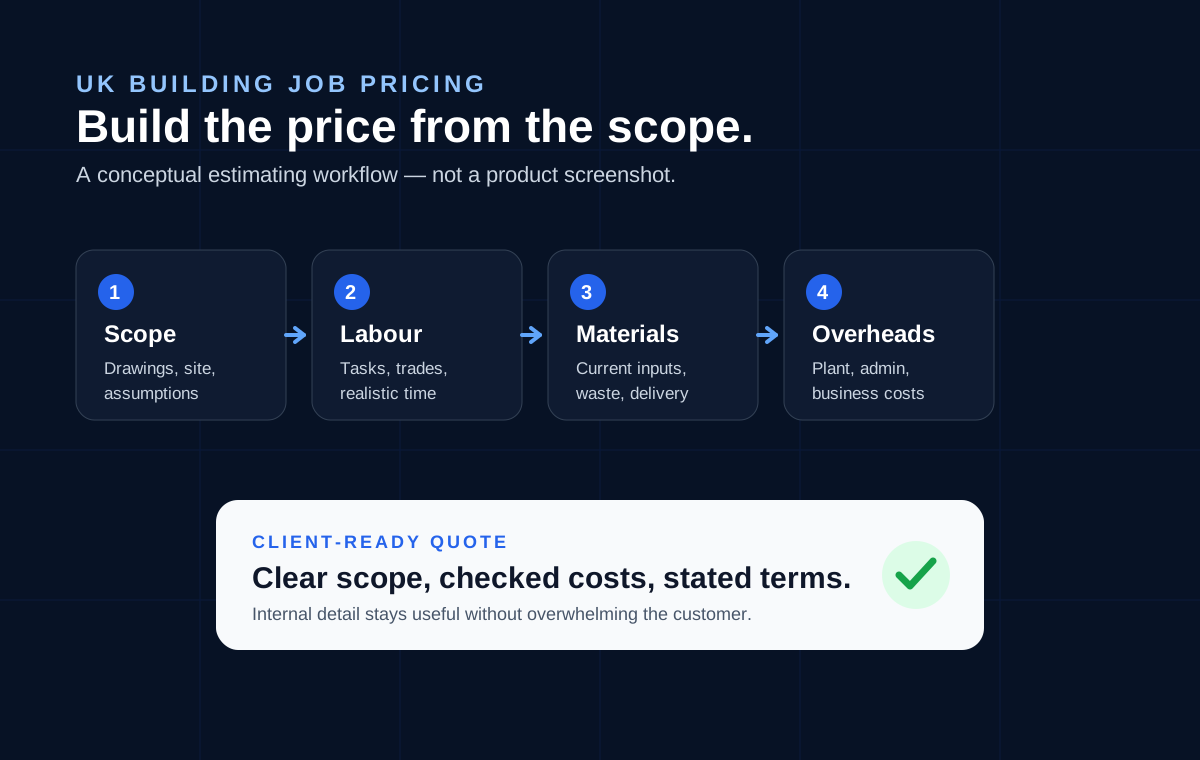
Start by replacing broad allowances with confirmed scope wherever possible. Check measurements, access, material choices, labour hours, subcontractors, waste, plant, and any work that another contractor is responsible for. Then preserve the assumptions that still remain so the client can see what the price depends on.
A reusable structure helps because the same commercial fields appear every time. You can download the free construction quote template, use the construction quote calculator for a first check, and then build the accepted version in CostForge with the client, job, cost lines, and quote history connected.
The best distinction is not a technical label; it is a clear expectation. Tell the client whether they are looking at an early estimate or a quote for a defined scope. Then give them enough information to understand the price, the limits, and what happens next.